The Bangiya Christiya Pariseba (BCP), an umbrella forum representing Christians from different denominations in West Bengal, on October 5 formally submitted complaints to the National Human Rights Commission (NHRC), the West Bengal Human Rights Commission (WBHRC) and the National Commission for Minorities, alleging a pattern of targeted violence against the Christian community, including attacks, vandalism and desecration of small house churches and prayer gatherings across the state.
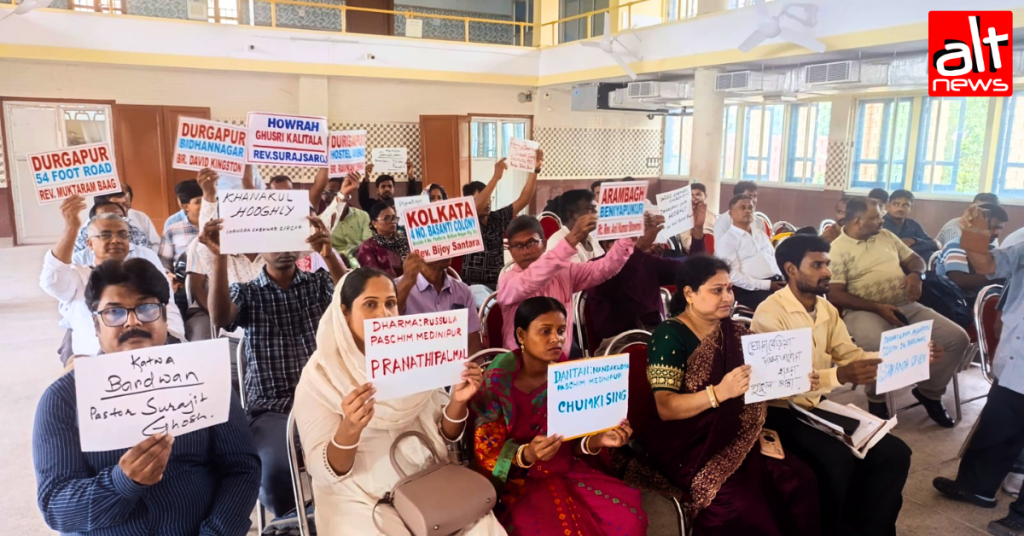
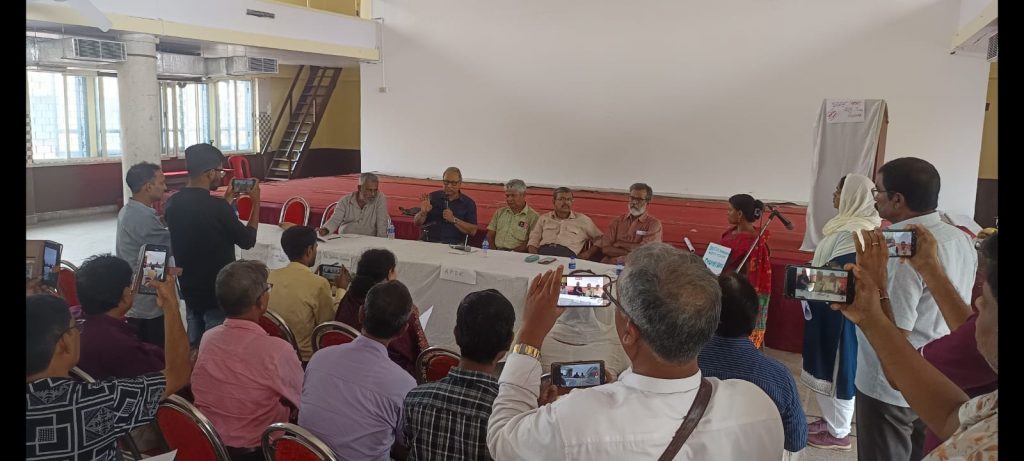
A public hearing was also held on the same day at Christ the King Hall on Syed Amir Ali Avenue in Park Circus, Kolkata, where pastors, victims and eyewitnesses recounted alleged incidents of attacks and intimidation before representatives of prominent human rights and civil rights organisations, including the Association for Protection of Democratic Rights (APDR) and Banglar Manabadhikar Suraksha Mancha (MASUM). Civil society figures, including retired IAS officer Jawhar Sircar, were also present to hear the testimonies.
The gathering was held amid a series of reported attacks on Christian communities, mostly in the hinterlands of Bengal. Alt News has previously documented at least 35 such incidents of violence and intimidation between July 1 and September 20, 2026.
Based on the testimonies of victims, the BCP, which is the eastern chapter of the All India Christian Council, formally submitted its complaints to the rights bodies alleging recurring patterns of targeted violence and intimidation, as well as institutional and governmental negligence in responding to the incidents.
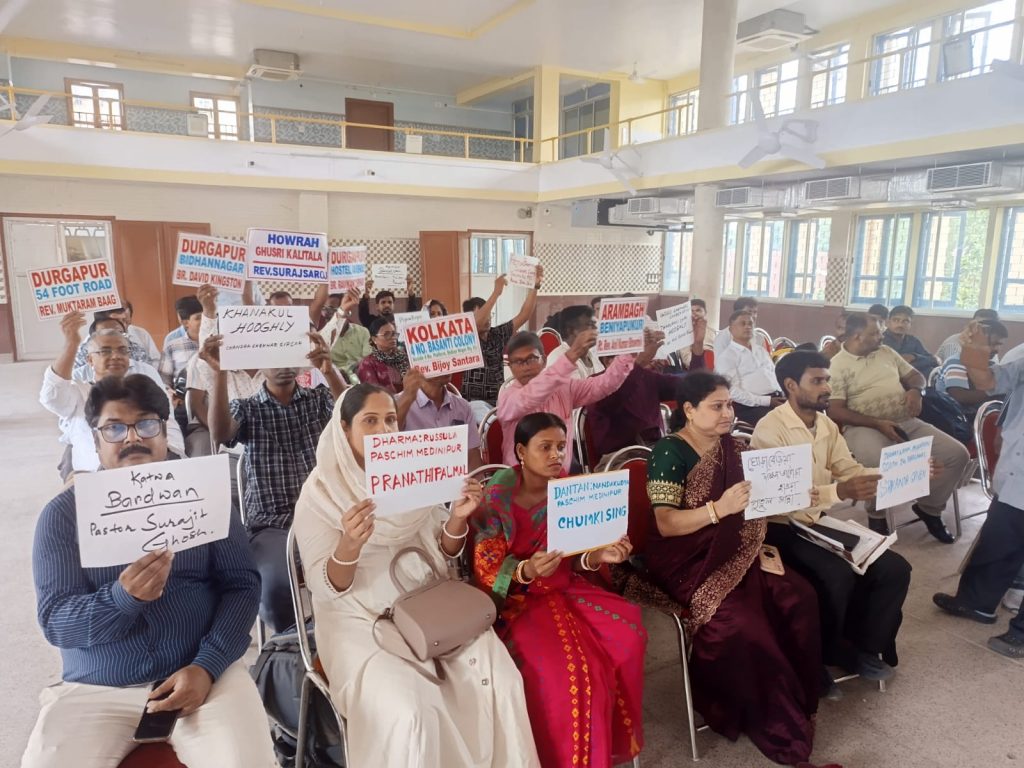
The BCP identified four key concerns:
1. Systematic attacks on peaceful prayer gatherings – According to the BCP, small house churches and local Christian congregations conducting prayer services have repeatedly been targeted over the past three months. The organisation alleged that the intruders had assaulted worshippers, vandalised places of worship and desecrated religious symbols and objects. The BCP also criticised the efforts to downplay the attacks, saying, “Regrettably, some public figures and local leaders have characterised these lawless disruptions as “public protests” while remaining silent on vigilante groups taking the law into their own hands.”
2. Disinformation and manufactured narratives – The BCP alleged that several incidents followed similar “scripted patterns”, in which aggressors forcibly entered private prayer gatherings to disrupt services, “engineer chaos” and “record selective footage”, which was subsequently circulated on social media in edited form. According to the organisation, the videos were then used to make allegations of “forced conversion through inducement”, allegedly fuelling communal tension. BCP founder Herod Mullick said, “These edited videos are subsequently circulated online after false allegations of forced conversion to mislead local authorities and justify vigilante actions”. The organisation further alleged that such videos were presented to local district magistrates (DMs) and sub-divisional officers (SDOs) as evidence, and used to promote what it described as false narratives. The BCP rejected the allegations of forced conversion as “unfounded”, saying that “peaceful believers gathered for routine prayer are being falsely framed as perpetrators.”
3. Discriminatory police action and non-registration of complaints – The BCP further alleged that police responses to the incidents had been inconsistent. It said alleged aggressors were often allowed to leave the scene without immediate action, while injured believers and pastors who reported being victimised were taken to local police stations, “subjected to late-night questioning” and allegedly intimidated. Of the dozens of reported incidents, the BCP said FIRs have been registered in only 13 cases, and only “after extraordinary effort and legal intervention”. “In all other instances, local police authorities have displayed severe reluctance to accept formal written complaints from the victims,” the BCP added.
4. Institutional apathy and unaddressed concerns –The BCP also alleged that repeated appeals to local administrative authorities had failed, with officials “consistently declined to engage in dialogue with state church leaders or representatives of our organisation”, the organisation said. It further alleged that “no independent or impartial inquiries have been instituted to verify the authenticity of these viral video clips”. According to the BCP, “this persistent administrative apathy creates a climate of impunity for vigilante groups and deprives minority worshippers of equal protection under the law.”
Citing violations of Fundamental Rights guaranteed under Article 14 (Equality before Law), Article 19 (Freedom of Speech and Assembly), Article 21 (Protection of Life and Personal Liberty), and Article 25 (Freedom of Conscience and Free Profession, Practice, and Propagation of Religion) of the Constitution of India— the BCP urged the NHRC, WBHRC and NCM to direct the West Bengal Government and the director general of police (DGP) to conduct a high-level independent investigation of all the recent incidents of violence targeting the churches and prayer gatherings.
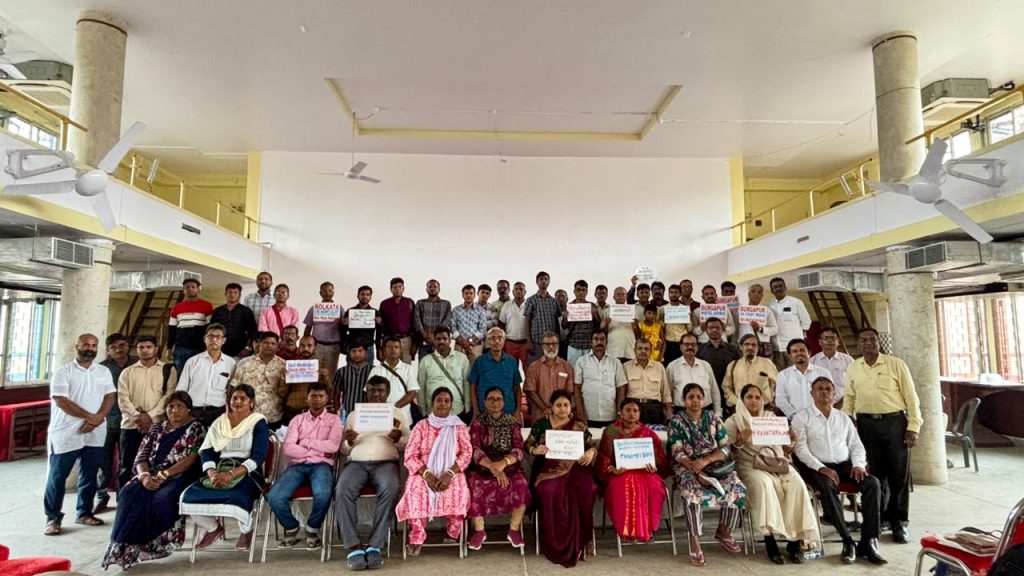
The organisation also sought an investigation into alleged cyber disinformation and circulation of edited videos allegedly intended to portray worshippers as perpetrators of violence. Additionally, the council pleaded for clear directions to the police and administration to immediately register FIRs in all pending cases and ensure prompt legal action against those responsible.
The BCP further requested the commissions to direct district administrations to provide police protection to vulnerable house churches and congregations during weekly prayer services, and to ensure that victims are not harassed, intimidated or pressured by law-enforcement authorities under alleged influence from vigilante or extremist groups.
After attending the public hearing, former Union culture secretary Jawhar Sircar shared a post on Facebook describing the recent attacks on Christian churches and communities in West Bengal as “tragic and unprecedented” and condemned the attacks as “dastardly”. Sircar expressed his support for the Christian community and their right to practice their faith peacefully.