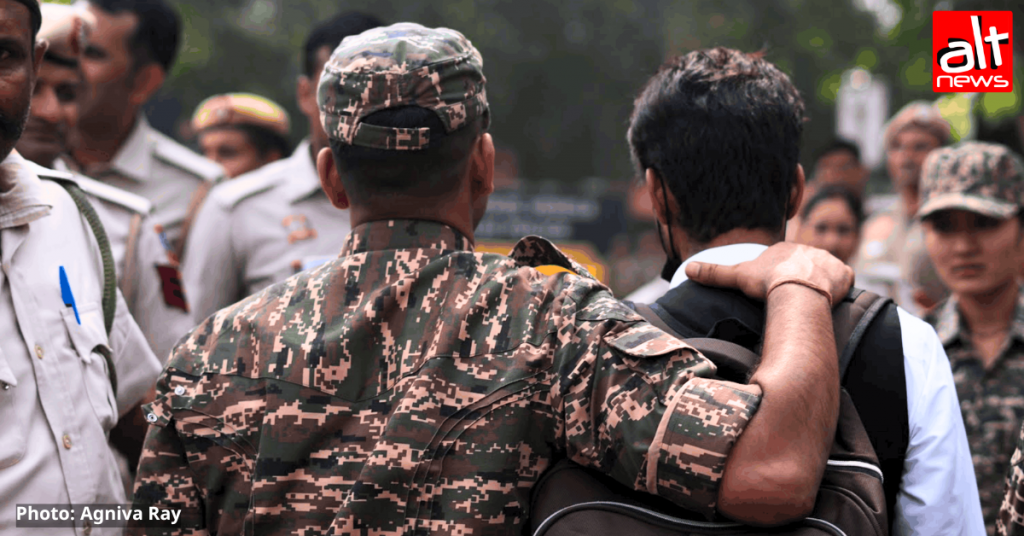
I was reporting on the ground near Connaught Place, close to Rajiv Chowk metro station, when Delhi Police detained me and several other journalists at around 11:20 am on October 10, 2026.
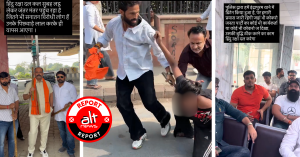
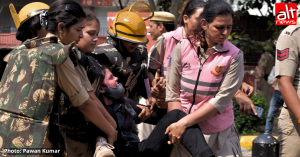
Delhi Police and central security forces had cordoned off the area around Jantar Mantar, preventing protesters and journalists from approaching the designated protest site. I was filming the police action and speaking to people present at the scene when officers began pushing and shoving individuals standing at the intersection of Connaught Place and Kharak Singh Marg. Several people were holding placards to express their dissent when police arrived and began detaining them.
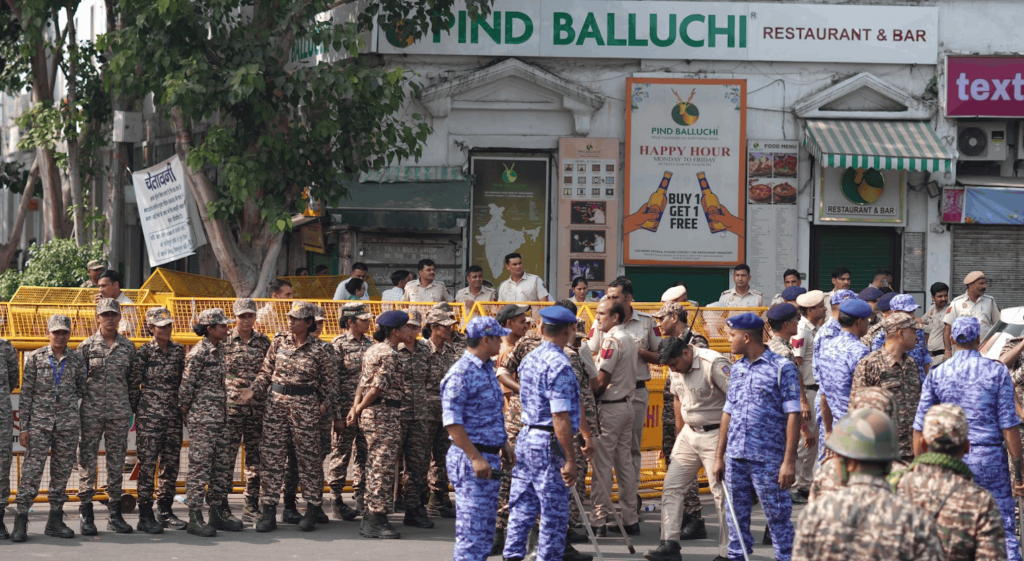
While I filmed the detentions, one officer thrust his hand towards me and attempted to grab me. I showed him my press card. He backed off but continued gesturing aggressively. On camera, I asked him what legal guideline or constitutional provision allowed him to detain or attempt to assault a journalist on duty. He became enraged, and a heated exchange followed. The police then detained several journalists, including me.
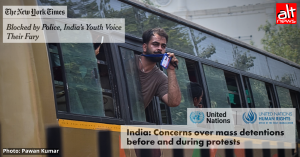
We were shoved into a bus and driven across the national capital. When we repeatedly asked the officers which legal procedure they were following to detain us, they did not respond. They also refused to tell us where we were being taken.
The journey lasted around two hours. We travelled along Deen Dayal Upadhyay Marg, crossed the Yamuna, passed Shahdara flyover and Burari, and eventually reached the Delhi-Karnal highway. We became increasingly concerned about our destination. At 8 am, when I had begun reporting on the ground, I had noticed several police vehicles bearing HR and UP number plates. Our apprehensions grew as the bus continued along the Karnal expressway for another 20 minutes or so.
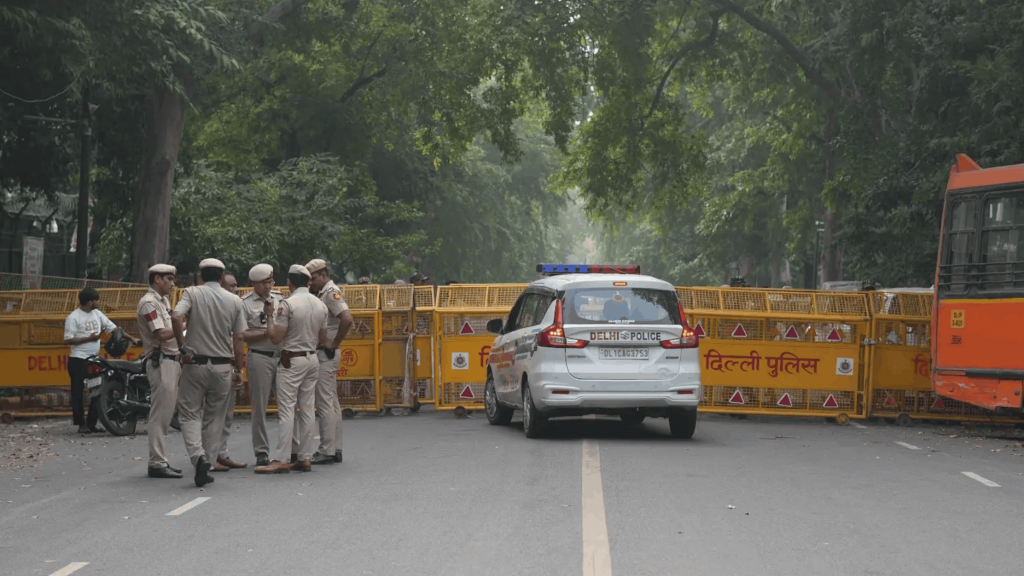
During the two-hour journey from Connaught Place towards neighbouring Haryana, we were not provided with sufficient drinking water or other basic necessities in the scorching heat. We managed to get some water only when a truck driver passed his bottle through the bus window. However, packed food, including bananas, biscuits and kachori, were already available on the bus.
Around 2 pm, we arrived at Rajiv Gandhi Stadium in Bawana, Delhi, approximately 65 km from Connaught Place. The stadium had been converted into a detention centre, where around 100 people detained from different parts of Delhi were being held.
I began documenting the situation inside the detention centre, speaking to detainees and trying to understand the circumstances in an area that had been without internet connectivity since the previous night.
A Cockroach Janta Party coordinator, reportedly picked up from his residence in Burari around 3 am on October 10, described his experience to me. “No food, no proper water, and a contingent of police officials who were not cooperating with anything since I was detained,” he said.
The stadium, usually filled with the sounds of athletes and cheering fans, now echoed with protesters’ slogans. “Vote Chor, Gaddi Chor” (The vote thief needs to resign) rang out across the premises.
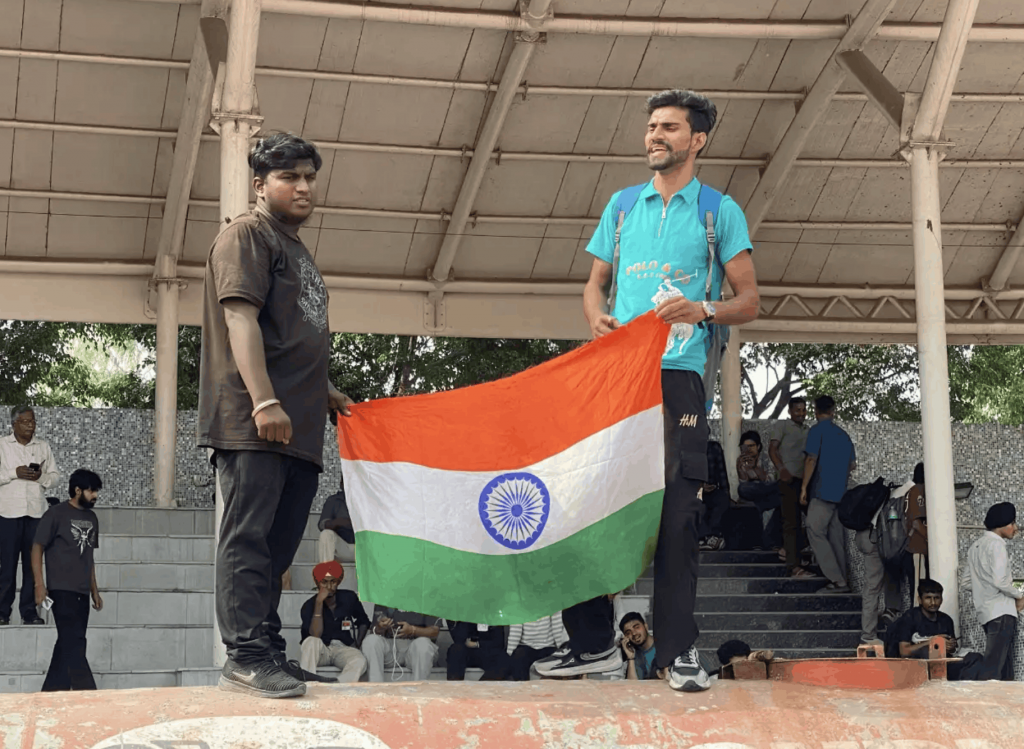
A few minutes later, another bus brought in a group of protesters. They alleged that the police had shoved them into the bus and assaulted them. Despite this, they continued raising slogans against chief election commissioner Gyanesh Kumar and the BJP-led Union government. Those detained included supporters and activists of the Muslim Students’ Federation (MSF), the All India Students’ Federation (AISF), the Students’ Federation of India (SFI), and leaders of the Communist Party of India (Marxist).
CPI(M) leaders Sujan Chakraborty and Manik Sarkar, the former chief minister of Tripura, were also at the detention centre, along with several other leaders from across the country. Sudip Dutta, general secretary of the Centre for Indian Trade Unions (CITU), a prominent national trade union affiliated with the CPI(M), had also been detained and brought to the stadium.
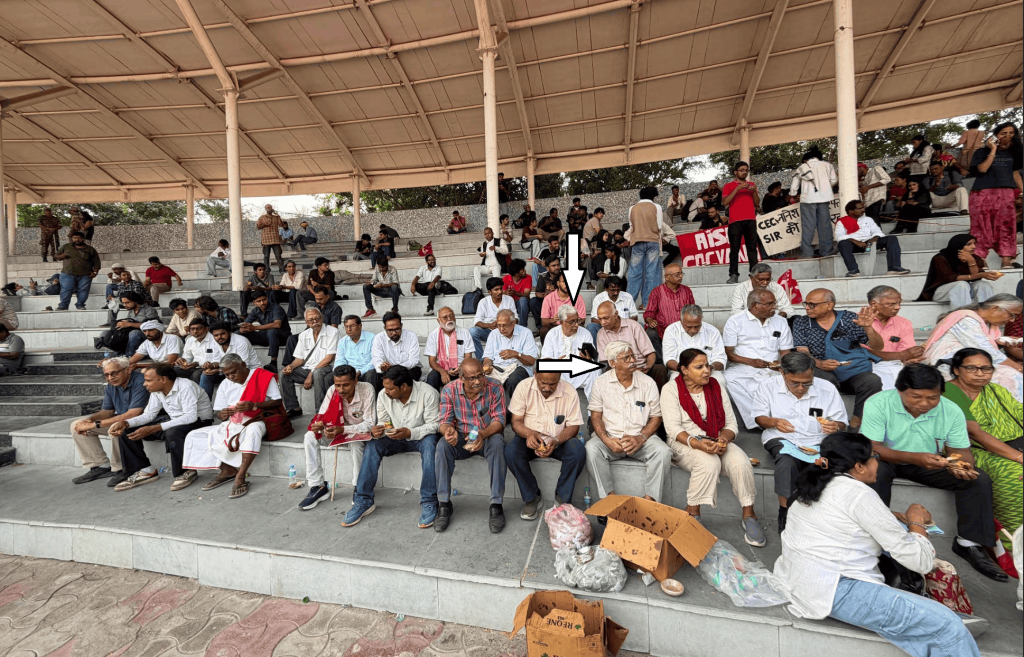
I spoke to a student from Delhi about how they intended to pursue their demands. Aman, an AISF member, said voter deletions and irregularities in Form 6 could affect future generations of voters.
“See, this issue of voter deletions is going to impact the upcoming generations who are going to vote tomorrow. As college students, it is our responsibility to make our peers aware about these issues. After today, we would hit the classrooms, reach out to our friends and make them aware of how this issue of ‘vote Chori’ that has come to light is going to impact them and the generations to come,” he said.
Another student, Ali, spoke about police brutality and the use of central security personnel to curb the right to protest.
“We were picked up from Minto Road. The police had barricaded the entire area. Around ten police officers were charging at a single protester, and dragging them to the police van. CRPF, BSP, ITBP, CISF, and even Uttar Pradesh Police are on duty. Why is the government acting like this to curb the voices of the students,” he said.
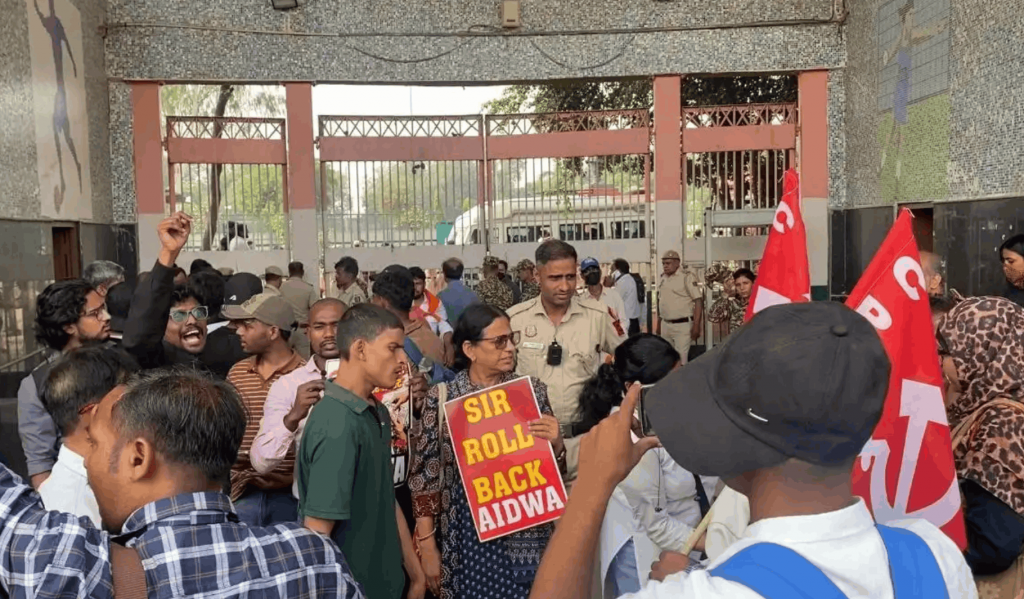
I spent another hour documenting events at Rajiv Gandhi Stadium, where protesters continued raising slogans despite being detained. Around 3:30 pm, after repeated negotiations with police officers, I was released along with another journalist.
As we left the premises, we were asked to provide our personal details. When we identified ourselves as journalists, several officers appeared astonished and initially thought we were lying. They believed us only after we showed our press cards.
The exchange lasted around ten minutes. It became clear that the officers at the detention centre had received no instructions or communication informing them that journalists were also being detained.
During the four to five hours I spent under detention, the same ort of resentment came up in every conversation: Allegations, an investigation and protests against Gyanesh Kumar had prompted the Union government to take preventive measures in the name of maintaining law and order. These measures were so extensive that people seeking reforms to Indian democracy were being detained. The scale of the restrictions was equally alarming.
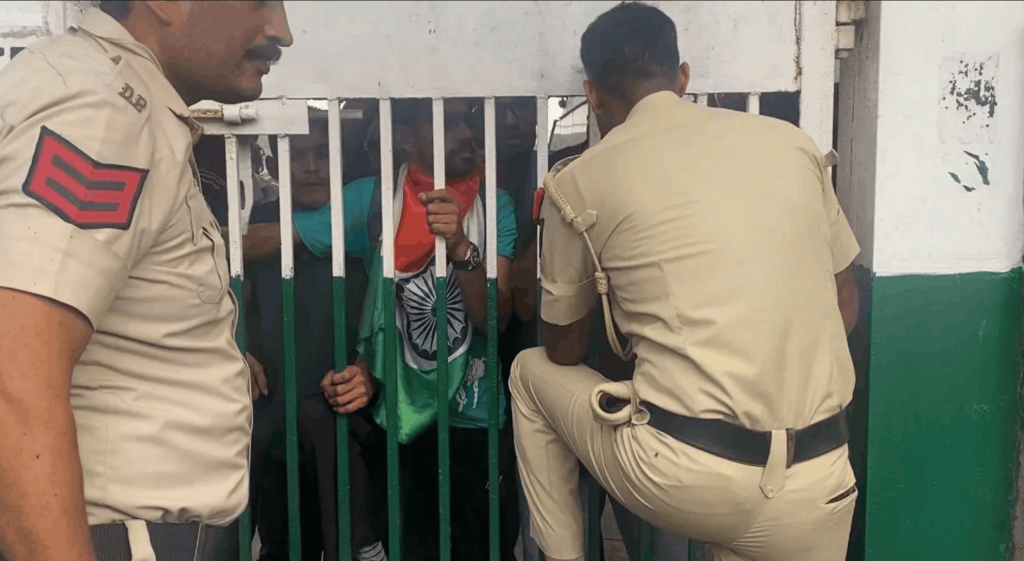
Metro services, railway stations, roads and shops in parts of Delhi were directed to be shut down, affecting daily commuters, roadside hawkers and shopkeepers. Internet services were also suspended within a four-kilometre radius of the Janpath-Kartavya Path area and in and around makeshift detention centres across Delhi. Internet connectivity was suspended in the area surrounding Rajiv Gandhi Stadium as well.
A shopkeeper in Bawana, near the stadium, told me that the internet shutdown had caused significant losses because customers could not make online payments. The preventive measures affected not only protesters but also ordinary people, disrupting the lives of commuters, daily-wage labourers, shopkeepers, railway platform-based workers, auto drivers and others going about their daily routines.
Why was Delhi being subjected to what resembled a state of emergency?
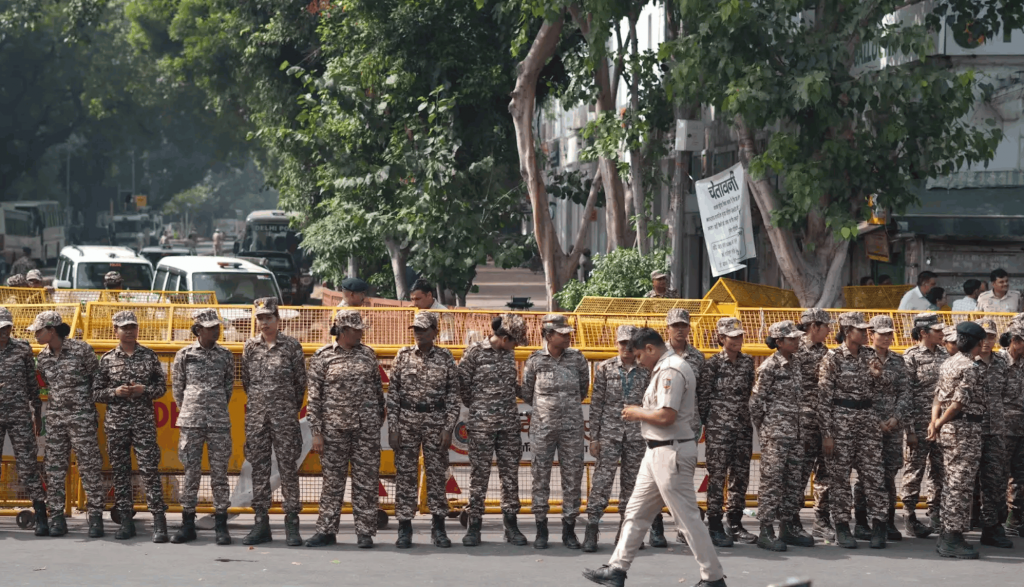
Article 19(1) of the Indian Constitution guarantees individuals the right to express their opinions and protest, subject to the applicable constitutional restrictions and the rights of others. The government can also take measures to maintain law and order. But how far can such measures legally and constitutionally extend?
I continued to think about these questions as I travelled to Samaypur Badli metro station, approximately 17 km from the detention centre. The 30-minute journey offered no concrete answers.
All photos by the author.